



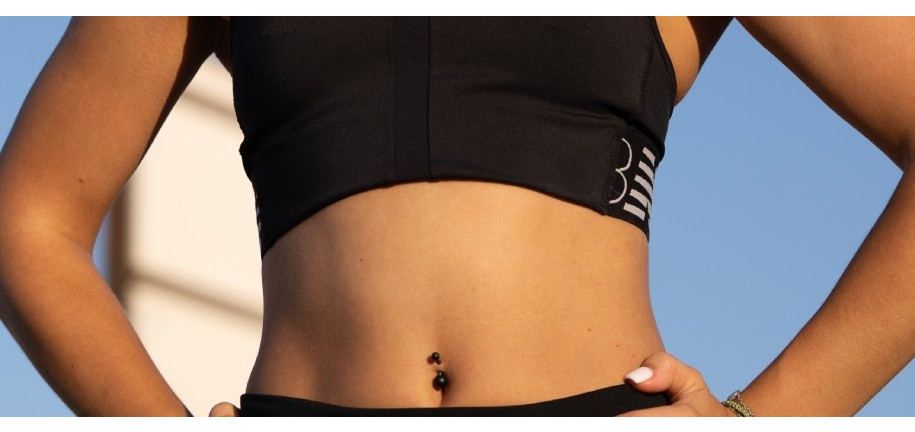
General Piercing Information
Piercing Care for Active Lifestyles
Keeping your piercings healthy while staying active can feel like juggling. You want to train, swim, play, and still show your style. This guide gives clear, practical tips for both new and healed piercings so you can move with confidence.
Piercing aftercare for athletes
Two simple anchors make a big difference when you’re active.
High quality jewelry
Choose hypoallergenic metals like implant grade titanium or solid gold. Good materials lower irritation and reduce the chance of staining or tarnish from sweat. Pick sturdy, well made pieces designed to sit flush and move with you.
Cleanliness is critical
Keep the tissue around the piercing clean. Sweat, dirt, and pool water can irritate healing skin. Cleaning the piercing properly after activity prevents buildup and helps you avoid problems.

New piercings and workouts
Getting pierced while you’re training is doable, but timing and choices matter. Aim to get pierced during a lighter training block if you can. Avoid contact sports or high friction activities for a few weeks if possible. If you can’t pause activity, pick placement and jewelry that suit your routine and talk to your piercer about options.
Don’t remove new jewelry unless a pro tells you to. Removing it can close the hole or trap an infection. If something feels off, contact your piercer for advice rather than guessing.
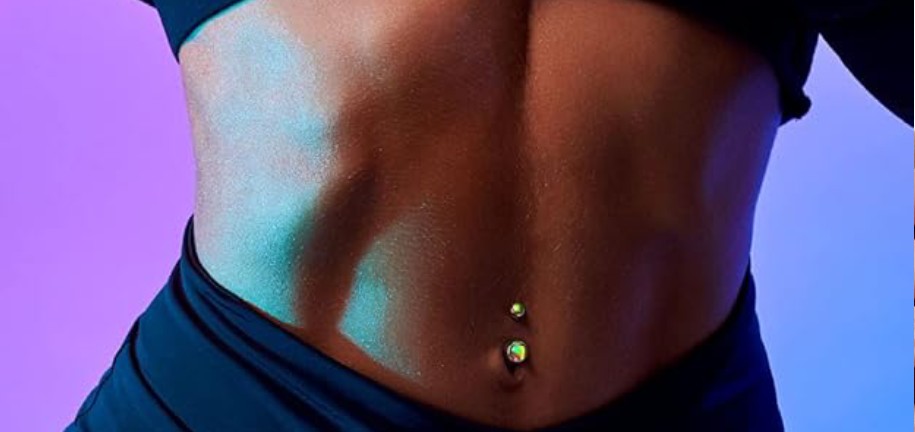
How to care for new piercings while working out
Keep cleaning guidance in one place. Focus on the tissue first, then the jewelry.
For the piercing tissue
- Rinse after sweat: give your piercing a quick rinse in the shower right after a workout to wash away sweat and salts.
- Clean with saline: use a sterile saline spray or soak once or twice daily. Gently pat dry with clean paper towel. Don’t rotate or twist the jewelry.
- Avoid risky water: only swim in clean, chlorinated pools while healing. Stay out of lakes, rivers, and ponds.
For the jewelry
Wipe the visible jewelry with a clean cloth if it’s sweaty or dirty. Don’t remove the piece to clean unless your piercer instructs you. If jewelry loosens, see your piercer to tighten or replace it with a sport-friendly option.
Immediate cleaning after workouts and swims is essential. If you notice redness, unusual discharge, or persistent pain, check in with your piercer. Don’t treat it like a minor snag if it’s changing or worsening.
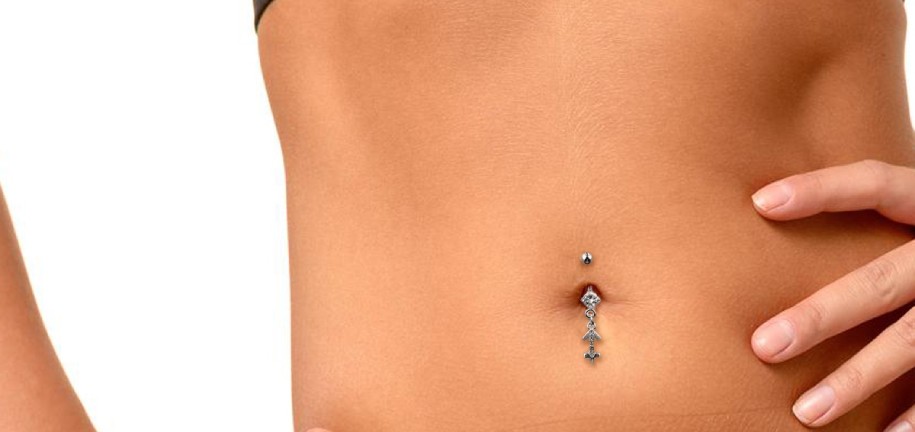
Piercing care during sports
Once healed, piercings are more forgiving. They still need thought during sports.
Choose secure, low-profile jewelry for high movement. Flat backs, captive bead rings swapped for solid hoops when needed, or sports retainers can reduce catching. Tape over external jewelry for extra protection in noncontact sports. For contact sports, consider a temporary retainer or consult your piercer for options that meet safety rules for your activity.
Protect against trauma. If your sport involves straps, helmets, or repeated friction, position jewelry so it won’t rub constantly. Keep an eye on any new irritation and act fast if something changes.
Final quick tips
- Wear hypoallergenic pieces that match your routine.
- Clean the piercing tissue after every sweaty session and after swimming.
- Plan piercing timing around heavy training when you can.
Take care of your piercings and they’ll keep reflecting who you are. Want jewelry built for movement? Explore hypoallergenic, sport-friendly options at Bodymod and find pieces that move with your life.
by2
Posted in: