













Intimate Piercings
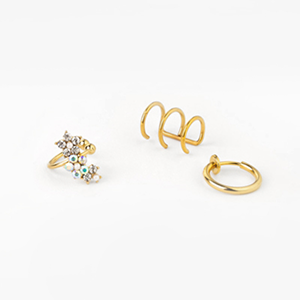
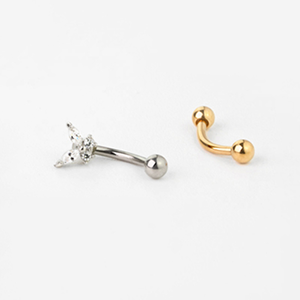
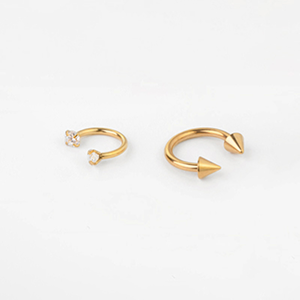
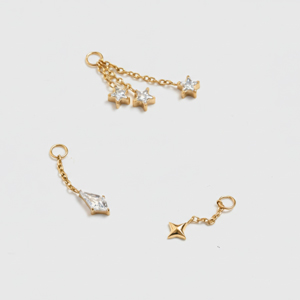
Explore the wide selection of stylish intimate piercing jewelry in different styles, sizes, and colors

85 items found
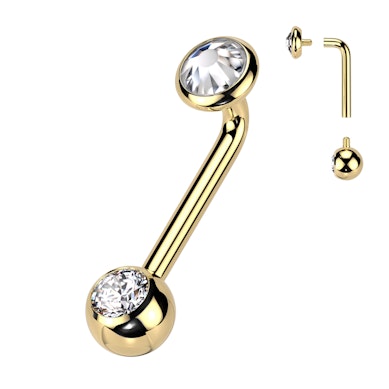
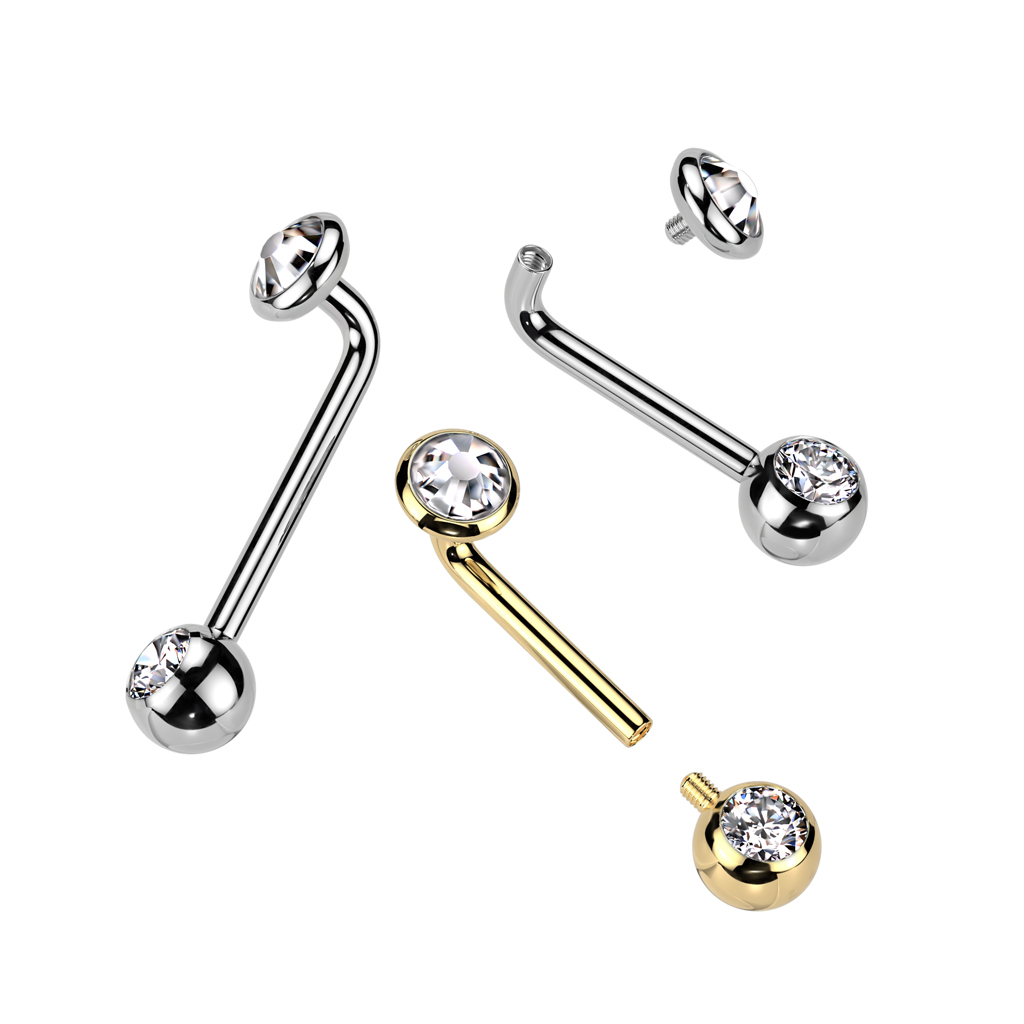


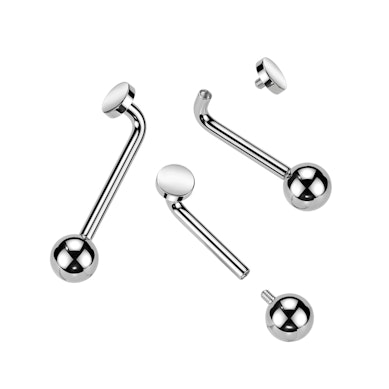

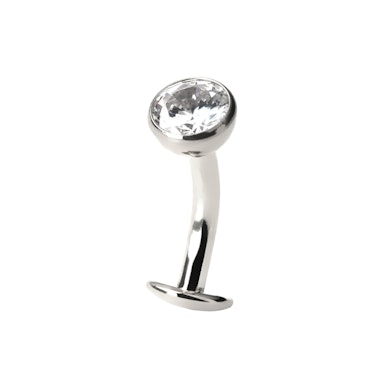
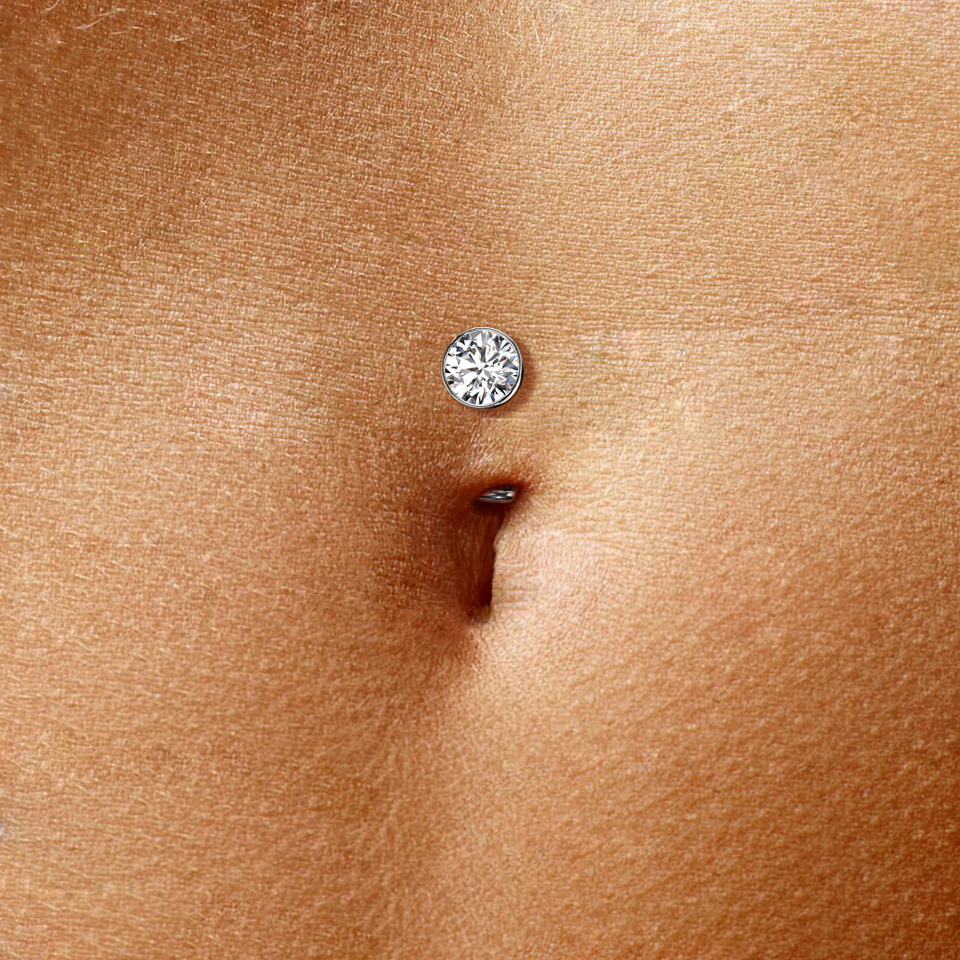
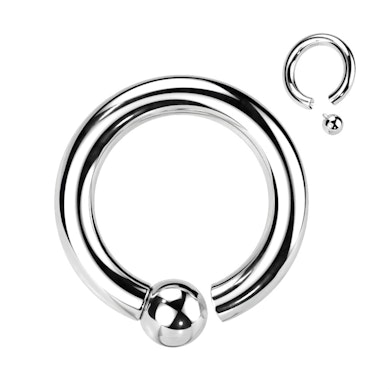
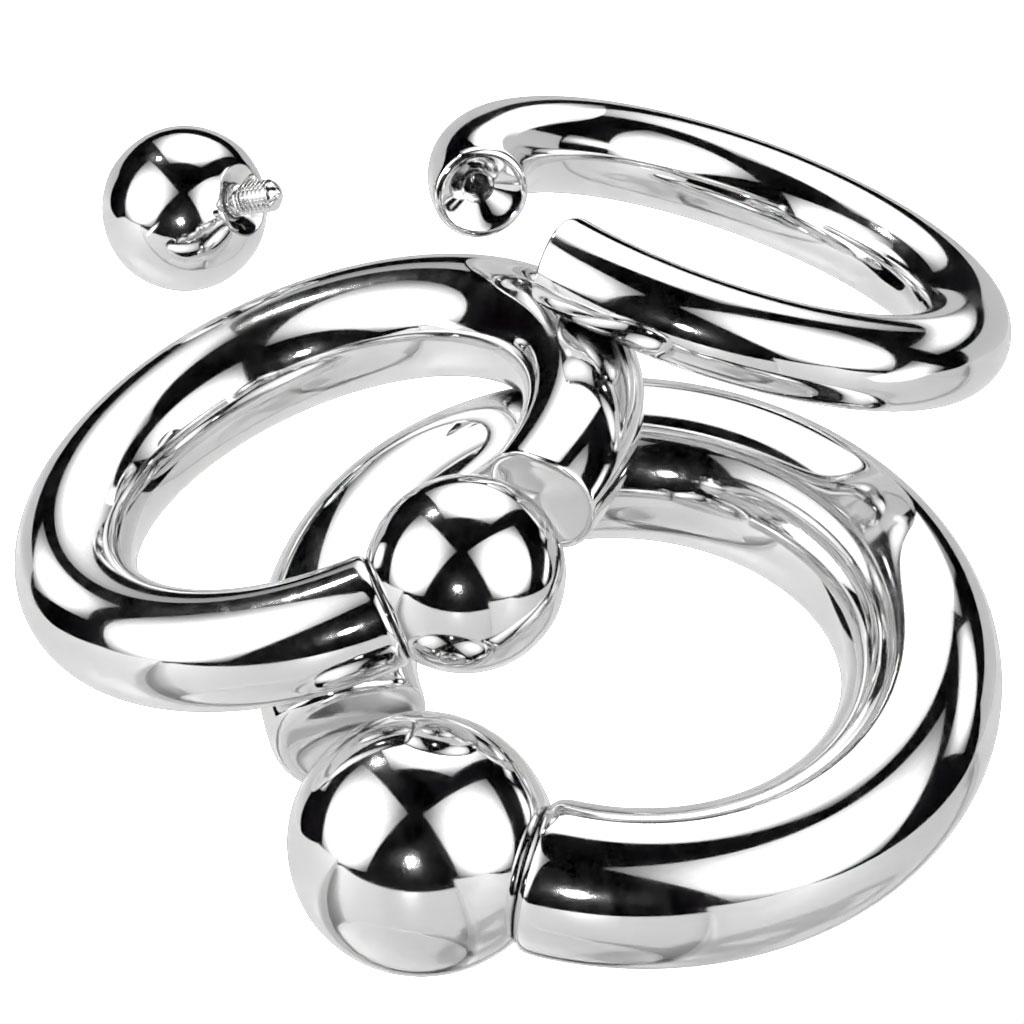
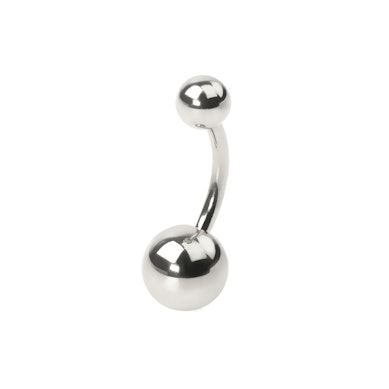


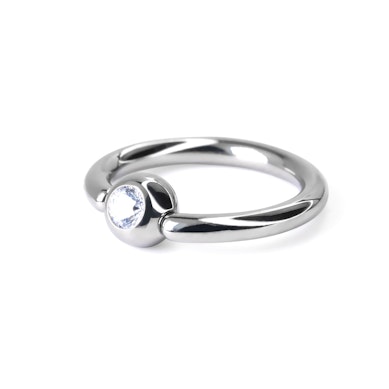
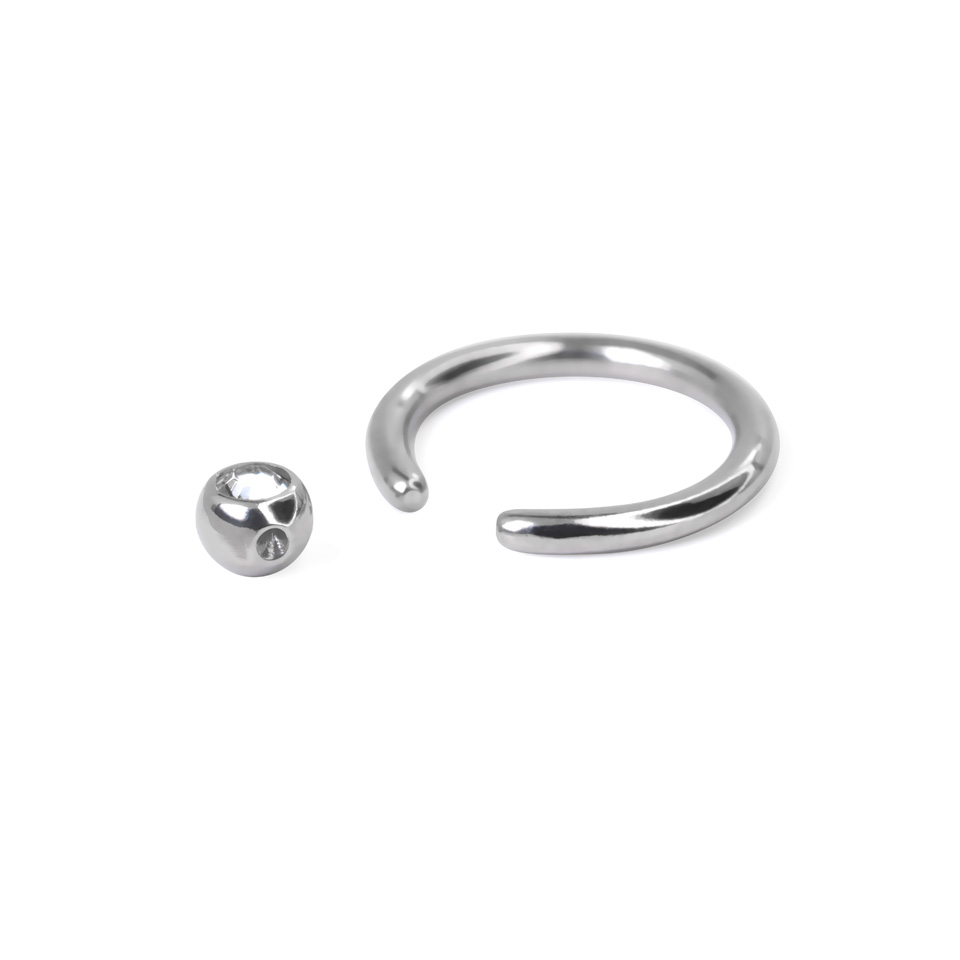
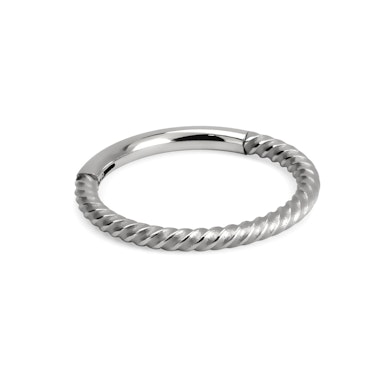
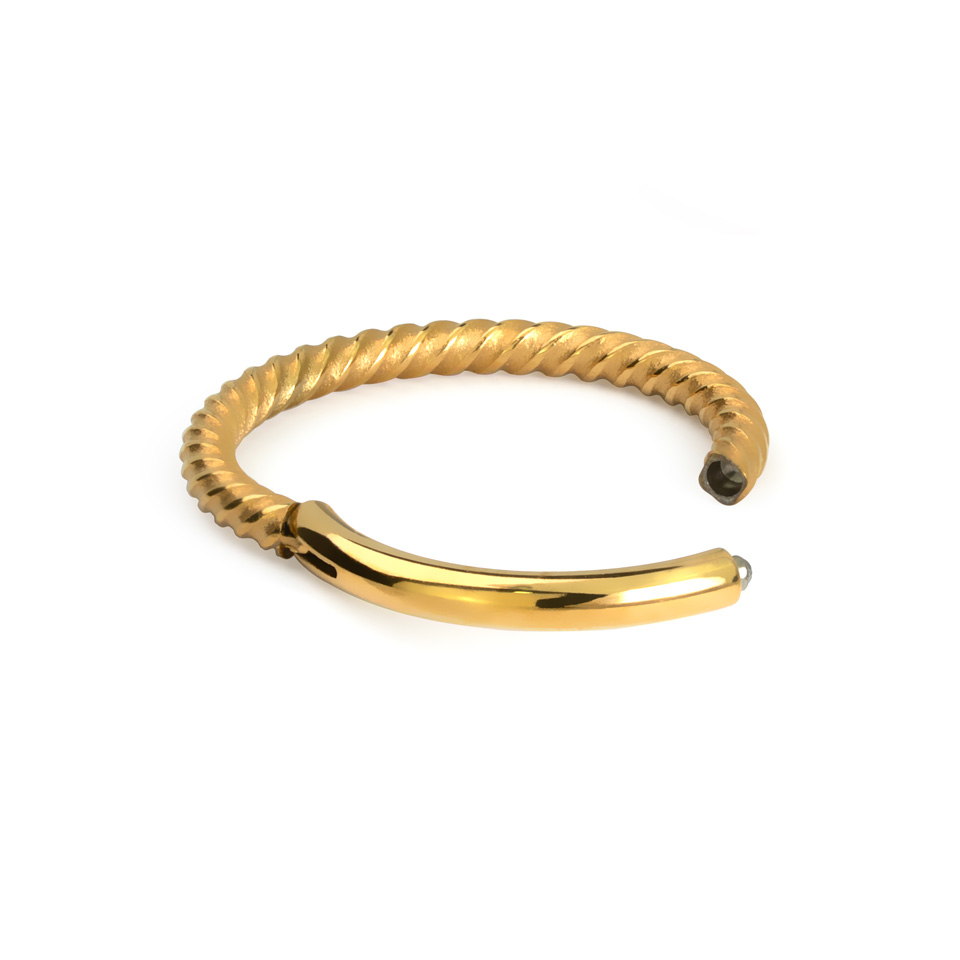



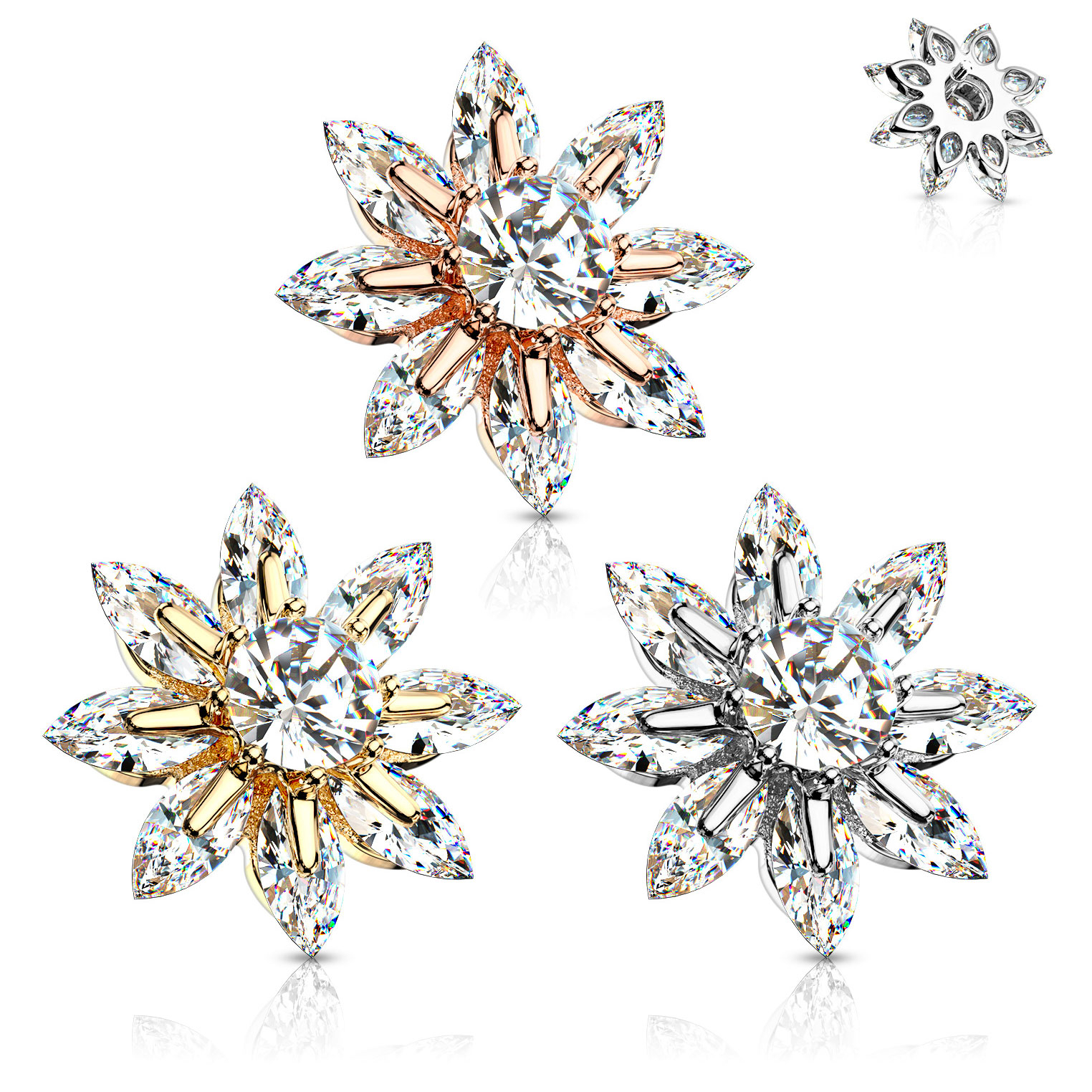
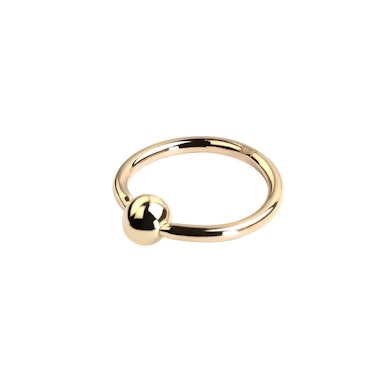
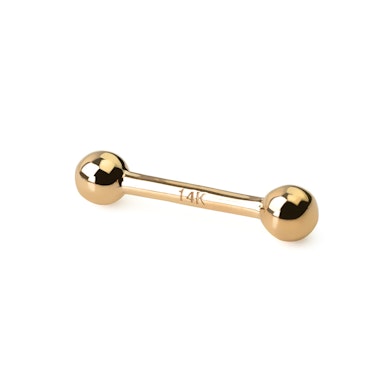
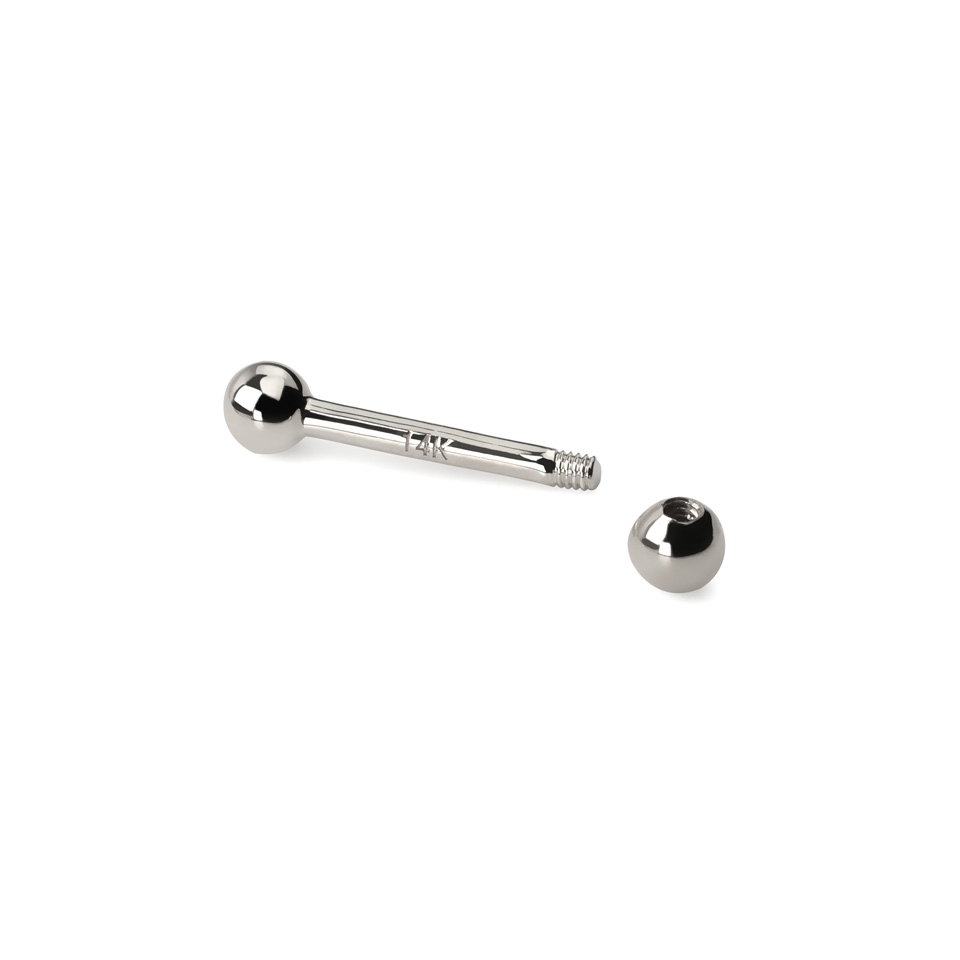
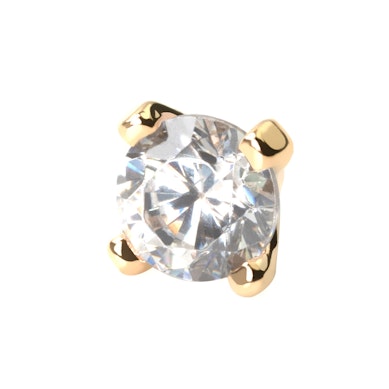

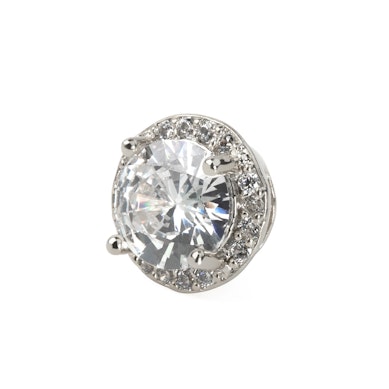
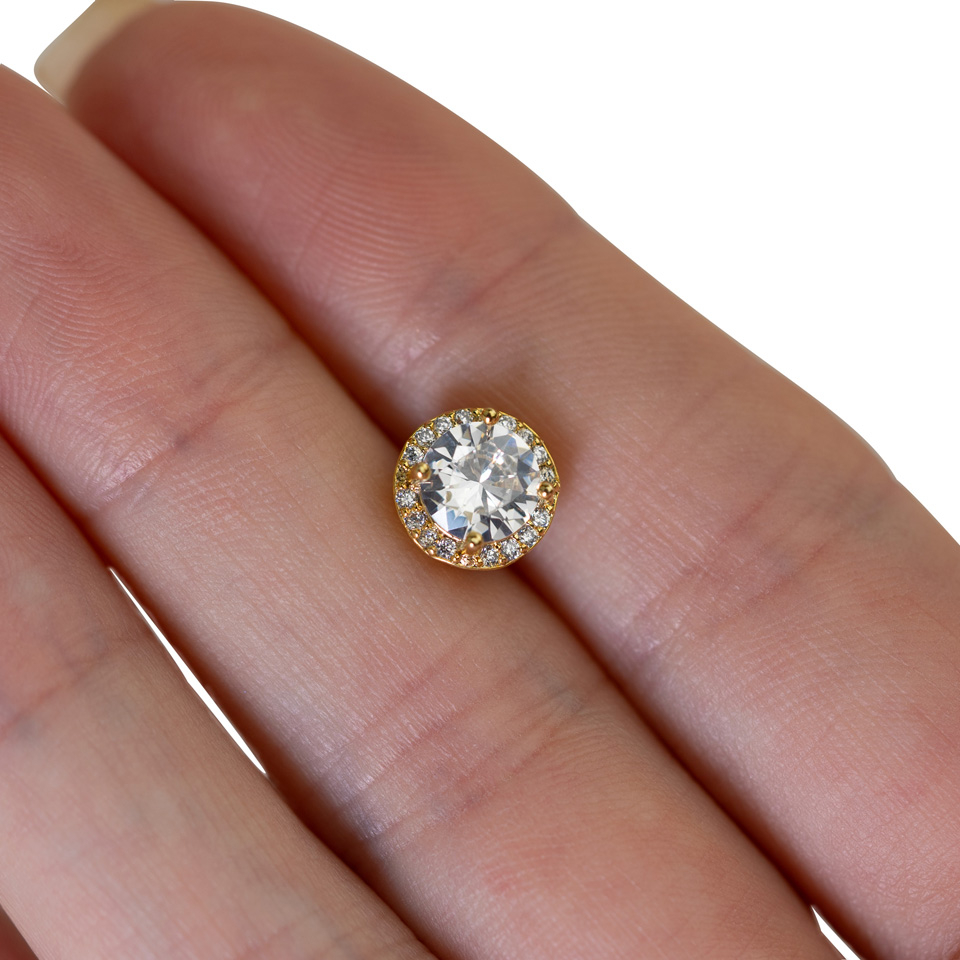
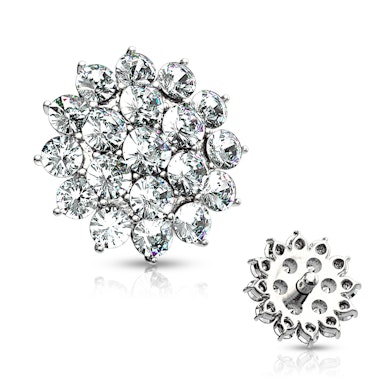

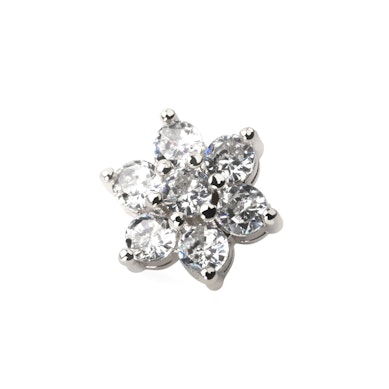
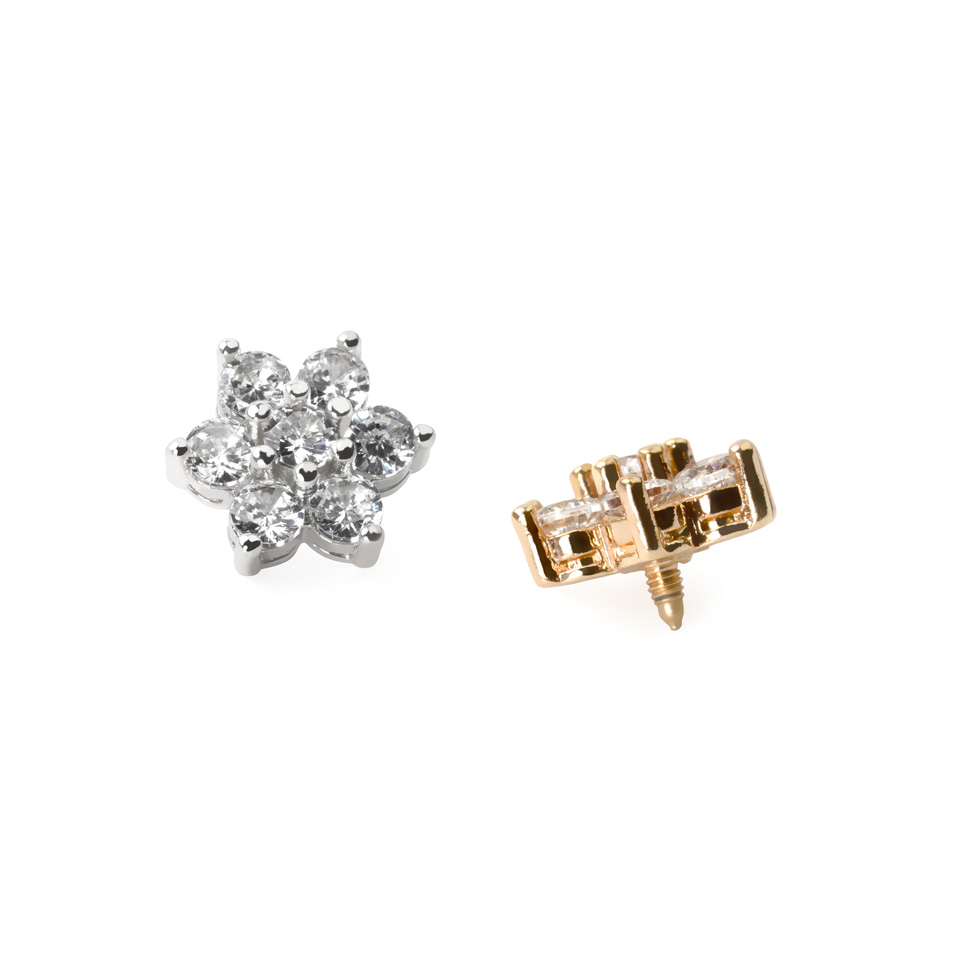
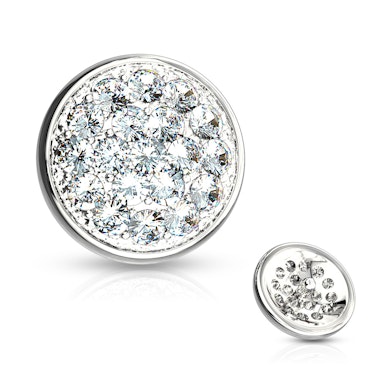





You viewed 24 of 85 products
Intimate Piercing Explained
Most piercings are out there for the world to see. Intimate piercings? They’re a little different. These live in the most personal part of your body, and they’re less about showing off and more about what you feel: the confidence, the private beauty, the heightened sensitivity, or simply the aesthetics that remind you that self-expression doesn't stop at , , or . Think of it as jewelry for the parts only a select few ever get to see: bold, personal, and unapologetically yours.
And just like every other piercing, intimate ones come in different styles. Each with its own story, placement, and healing journey. Let’s break down a few of the most common ones you’ll come across.
What is a Dydoe Piercing?
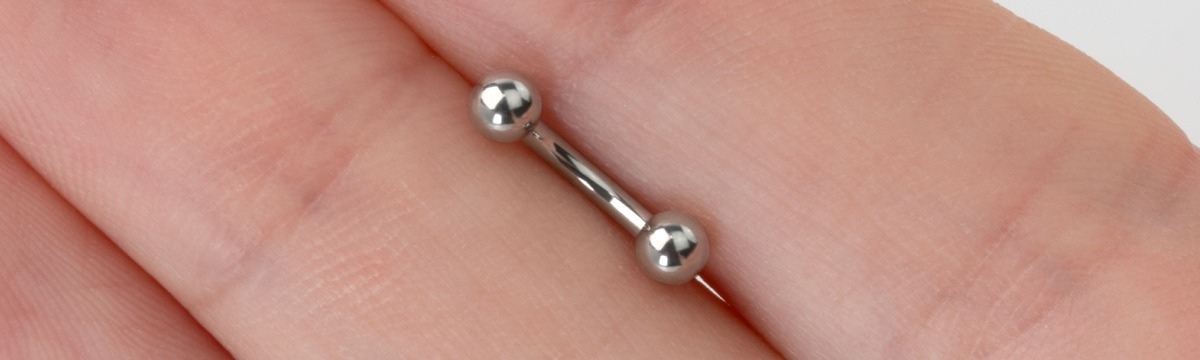
A Dydoe piercing sits right on the ridge of the penis head (the coronal ridge). It’s often done in pairs (one on each side) but solo works too. The appeal? It’s discreet yet striking and for some, it adds sensitivity in just the right spot.
Jewelry: Small or barbells are the go-to.
Healing & Aftercare: Dydoes can be a little stubborn. Expect 4 to 6 months of healing, sometimes longer. Because the tissue is vascular, there can be bleeding at first, and the holes close quickly if jewelry is removed. Stick with your starter jewelry until your piercer gives the all-clear.
What is a Frenum Piercing?
The frenum runs along the underside of the penis shaft and a frenum piercing passes right through it. Some stop at one, others build a “ladder” of multiple piercings for extra impact. A mix of decorative and functional, this one is often chosen for both looks and sensation.
Jewelry: are the standard, sometimes .
Healing & Aftercare: Heals relatively quickly (about 6 to 8 weeks) since it’s through softer tissue, but friction is your enemy here. Tight underwear, rough fabrics, or early sexual activity will slow healing and irritate the area.

What is an Apadravya Piercing?
One of the boldest: an Apadravya is a vertical piercing through the glans of the penis, entering at the top and exiting through the underside, often through the urethra. Many choose it for the unique sensations it can bring during intimacy.
Jewelry: A , with extra length at first to accommodate swelling.
Healing & Aftercare: Healing can take 3 to 9 months, depending on anatomy and care. Expect significant swelling in the beginning. Because it often passes through the urethra, hygiene is critical: clean before and after urination, and avoid penetrative sex until fully healed.

What is a Lorum Piercing?
The Lorum sits at the base of the penis, right where the shaft meets the scrotum. It’s lower, decorative, and sometimes paired with other piercings for a unique composition.
Jewelry: or , depending on preference.
Healing & Aftercare: Healing is usually straightforward (around 6 to 8 weeks), but movement and constant contact with fabric can cause irritation. Clean gently, keep it dry after showers, and opt for breathable underwear.

What is a Christina Piercing?
The Christina is a female surface piercing at the pubic mound, above the clitoral hood. It’s mostly aesthetic, with a vertical barbell that sits like a little jewel at the top. Not everyone’s anatomy allows for it, so a professional consultation is essential.
Jewelry: Surface barbell (curved to sit comfortably)
Healing & Aftercare: Surface piercings have a higher risk of rejection or migration, so aftercare has to be strict. Healing can take 3 to 6 months or longer. Tight clothing and friction from underwear are big no-nos during the healing stage.

What is an Isabella Piercing?
The Isabella is one of the more advanced intimate piercings out there. It runs vertically, starting at the top of the clitorial hood and going down toward the area just above the urethra. Because the placement is so specific, it is not just recommended but essential to have an experienced piercer handle it. This is also one such piercing that is not for everyone since your anatomy really decides whether it’s possible. If it works for you, it’s a bold choice that blends aesthetics with unique sensation.
Jewelry: Usually a longer or .
Healing & Aftercare: Healing takes its time (around 6 to 9 months). The area can be tender and swollen at first, so hygiene is everything. Wash your hands before touching, clean with saline, and avoid sexual activity until your piercer gives you the all-clear.
What is Labia Piercing?
Labia piercings are placed through the inner or outer labia and are one of the more versatile intimate piercings. They can be purely decorative, stacked in pairs, or chosen for the extra sensitivity they can bring. Depending on anatomy, some people go for a single piercing, while others choose multiples for symmetry or a bolder look.
Jewelry: are the most common choice since they move comfortably with the body, but barbells can be an option too.
Healing & Aftercare: Labia piercings usually heal fairly quickly, around 4 to 6 weeks, since the tissue has good blood flow. The biggest challenges are friction and moisture, so breathable fabrics and gentle cleaning are key. Wash your hands before touching, rinse with saline after showers, and avoid sexual activity until fully healed. Always dry the area well to reduce irritation.
For many, this piercing is not just about aesthetics or sensation but about embracing confidence in a part of the body that is usually kept private. It is a choice that feels both personal and powerful.

Healing & Aftercare: The Golden Rules
Most intimate piercings heal in 4 to 8 weeks, though some (like Dydoe and Apadravya) can take several months. Healing isn’t a race; patience is part of the process.
The must-dos:
- Wash your hands before touching the area
- Clean with twice daily, especially after showers
- Skip pools, lakes, and hot tubs until fully healed
- No twisting, rotating, or “checking if it’s healing”, let it be
- Avoid sexual contact until healed; friction, fluids, and bacteria = setbacks
- Use breathable fabrics and clean underwear daily
- Watch for warning signs: unusual swelling, pain, or discharge = call your piercer
Intimate piercings are all about confidence and personal choice. Take care of them and they’ll take care of you.