














Piercing Jewelry Materials
Titanium vs. Surgical Steel
TL;DR: When it comes to piercing jewellery, materials matter. Titanium and surgical steel may look similar but they behave differently once you wear them. Understanding those differences can make healing easier, everyday wear more comfortable, and choosing your next piece of jewellery much simpler.
Why this comparison matters
Piercings don't always heal in a straight line. Something that felt fine at first can become uncomfortable later in the day or take longer to settle than expected. These moments often lead to the same question: does the jewellery material actually matter?
The short answer is yes. Especially during healing.
Not everyone's skin reacts the same way to jewellery. Many people wear surgical steel without any issues at all. Others notice sensitivity, particularly with new piercings or long hours of wear. Dermatology research estimates that around 10 to 20% of people worldwide have some degree of nickel sensitivity.
This doesn't mean one material is good and the other is bad. Two people can wear the exact same piece of jewellery and have completely different experiences. One forgets it's even there, while the other notices irritation within hours. The difference often comes down to how the material behaves once it comes into contact with the body, how sensitive your skin is and whether your piercing is still healing.
This guide compares titanium and surgical steel piercing jewellery. It explains how each material behaves, where each one fits best, and how choosing the right material at the right stage can support comfortable healing and long-term wear.
What titanium and surgical steel feel like in real life
At first glance, titanium and surgical steel can look very similar. Once worn, they start to behave differently.
Titanium used in piercing jewellery is typically made from recognized medical-grade titanium standards such as ASTM F136. You don't need to remember the technical name. What matters is what it represents. This grade is engineered to stay inside the human body for extended periods. It naturally forms a stable protective oxide layer that resists corrosion and limits interaction with body fluids.
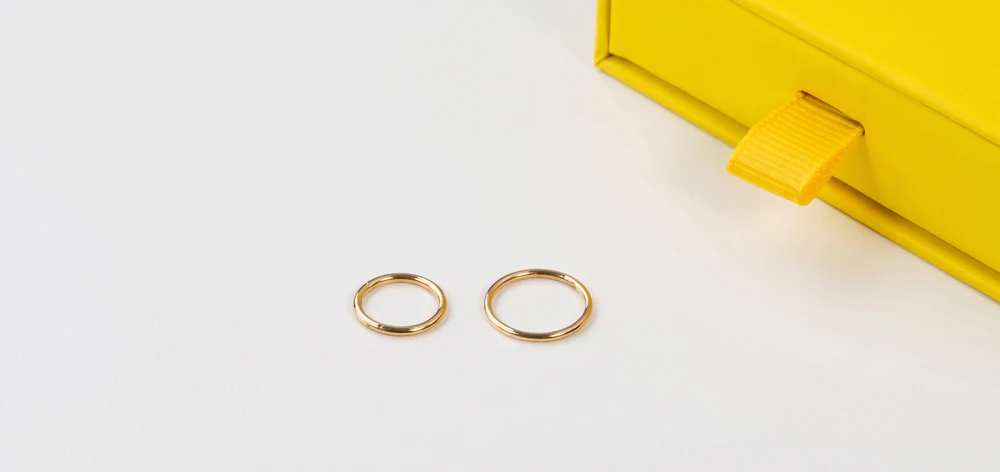
In everyday terms, titanium is lightweight, stable, and predictable. It tends to stay consistent even when a piercing is still healing or exposed to sweat, saliva, saltwater, or frequent movement. Titanium also contains no nickel, making it a reliable choice for people with nickel sensitivity. Combined with its excellent stability, it's easy to see why professional piercers often recommend implant-grade titanium as a starting material for new piercings.
Surgical steel comes from a different background. It is a stainless steel alloy, most commonly 316L or 316LVM, and has been used in body jewellery for decades. It is known for its strength, smooth finish, and durability in daily wear.
One thing that often surprises people is that surgical steel does contain nickel. This isn't accidental. Nickel is intentionally added because it improves corrosion resistance and helps stabilize the alloy. What matters, however, is not simply that nickel is present. What matters is how much nickel is released from the metal's surface over time. Most people wear high-quality surgical steel comfortably, particularly once a piercing has fully settled.
Both materials are widely used. Titanium tends to perform well across a wider range of conditions, especially during healing, while surgical steel often becomes a reliable everyday option once a piercing has healed.
Why titanium is often the first choice
- Gentle on sensitive or reactive skin: Implant-grade titanium is an excellent choice for people with nickel sensitivity because it isn't formulated with nickel as part of the alloy. Its stability also means there is less happening between the jewellery and your body while tissue is trying to heal.
- Built for healing, not just wear: Titanium alloys used in piercing jewellery are engineered for long-term performance inside the human body. Professional piercers often recommend implant-grade titanium during healing because it consistently performs well while the body is still repairing itself.
- Lightweight with less pull: Titanium is around 45 to 50% lighter than surgical steel. That lower weight can reduce pressure on piercings that move frequently or naturally carry more weight, such as lobes, nipples, navels, and facial piercings.
- Performs well in active, real-life conditions: Titanium handles moisture and movement extremely well. Sweat, saliva, saltwater, and everyday exposure do not easily affect its surface. This makes it a strong choice for active lifestyles, regular swimming, or piercings that frequently come into contact with body fluids.
- Color without coatings: Titanium colors are created through anodizing, an electrochemical process that changes the surface of the metal itself. Because the color is created within the metal rather than applied on top, it won't chip or flake away over time.
- MRI-friendly: Titanium is non-ferromagnetic and is generally considered MRI-safe. Hospital policies can vary so it's always best to follow medical advice and remove jewellery if requested.
What to know before choosing titanium
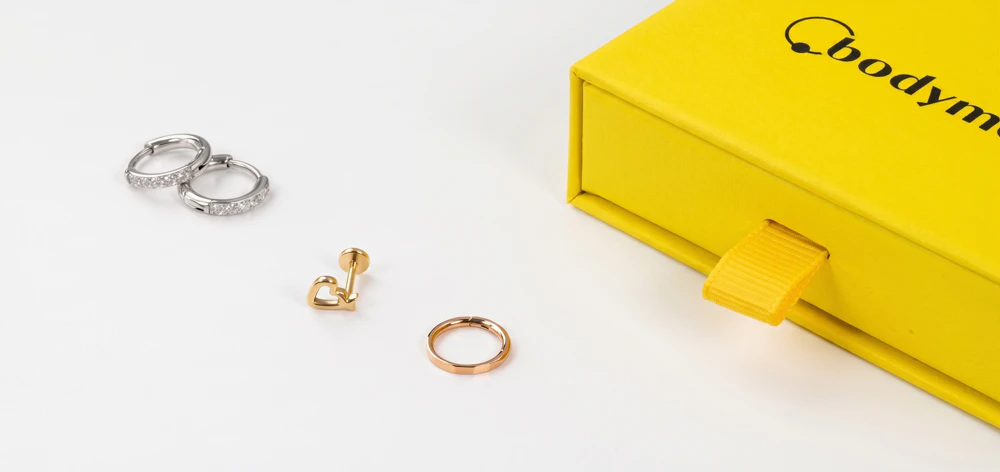
Titanium jewellery usually sits at a higher price point than surgical steel. While titanium is more expensive as a raw material, much of the price difference comes from manufacturing. Titanium is harder to machine than stainless steel, requiring slower cutting speeds, specialized tooling, and greater precision to produce high-quality jewellery. Depending on the design and manufacturing process, this can make titanium jewellery significantly more expensive than surgical steel.
For many people, the investment pays off. Titanium remains lightweight, stable, and comfortable for long periods of wear, making it particularly appealing during healing or for anyone with sensitive skin.
Best for
New and healing piercings, very sensitive skin, oral or intimate piercings, active lifestyles, frequent contact with moisture or body fluids, swimming, and areas that move a lot.
Why surgical steel fits best
- Accessible for everyday wear: Surgical steel is generally more affordable than titanium, making it easier to build a jewellery collection without compromising on quality. It has remained one of the most widely used materials in body jewellery for decades because it offers a great balance of performance, durability, and value.
- Strong and durable: Surgical steel is known for its strength and polished finish. It resists everyday wear well and performs reliably in jewellery designed for daily use, including thicker pieces such as barbells and industrial bars.
- Comfortable once piercings are healed: Many people wear surgical steel comfortably for years, especially once a piercing has fully healed. While it does contain nickel as part of its alloy structure, that alone doesn't determine how the material performs. What matters is how much nickel is released from the metal's surface over time, not simply that nickel is present.
What to know before choosing surgical steel
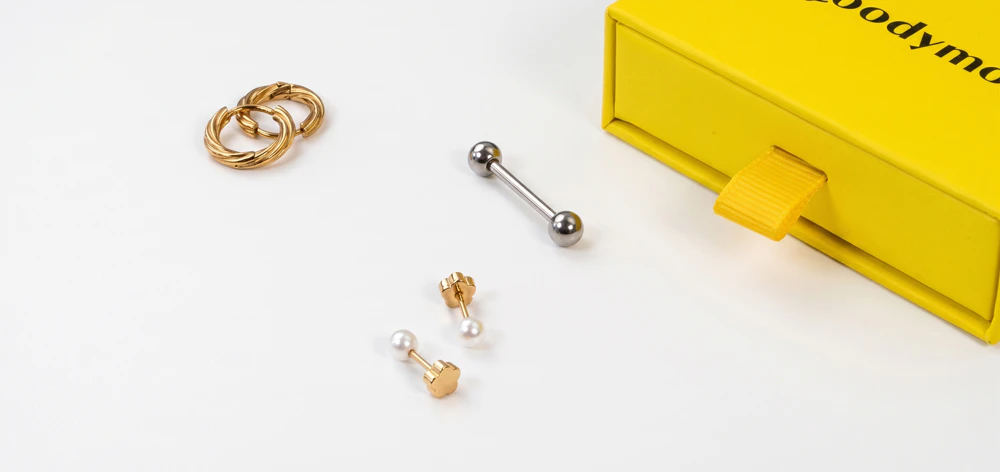
Surgical steel intentionally contains nickel because it helps improve corrosion resistance and stabilizes the alloy. This often surprises people, but for most wearers, it isn't a problem. High-quality surgical steel is designed so that only very small amounts of nickel are released from the surface during normal wear.
People with a known nickel allergy or very sensitive skin may still prefer titanium, particularly during healing or if they plan to wear the jewellery for long periods. Surgical steel is also heavier than titanium, which tends to matter more in fresh piercings than healed ones.
Best for
Healed piercings, everyday wear, non-sensitive or mildly sensitive skin, and budget-friendly jewellery collections.
Why nickel gets such a bad reputation
Nickel is one of the most common contact allergens worldwide, so it's understandable that many people associate it with irritation. But when it comes to piercing jewellery, the conversation is often oversimplified.
A common assumption is that if a material contains nickel, it will automatically cause a reaction. In reality, it's a little more nuanced than that.
Skin reactions aren't triggered simply because nickel is present in the alloy. They happen when nickel ions are released from the metal's surface and come into contact with the skin over time.
In simple terms, your skin reacts to what leaves the metal, not what stays inside it.
This also explains why two people can wear the exact same piece of jewellery and have completely different experiences. Skin sensitivity varies from person to person, and healing tissue is naturally more reactive than fully healed skin.
What the EU actually regulates
Interestingly, European regulations don't ban nickel in jewellery. Instead, they regulate how much nickel is allowed to be released from a product.
To check this, jewellery can be tested using the EN 1811 standard. During the test, the jewellery is placed in a solution that simulates sweat, and laboratories measure how much nickel is released over time.
This means the focus isn't simply on what the material contains. It's on how the material behaves in conditions that closely reflect everyday wear.
Why two pieces of surgical steel can behave differently
Even two pieces of surgical steel jewellery made from similar alloys don't always behave in exactly the same way.
Nickel release can be influenced by factors beyond the alloy itself, including surface finish, polishing quality, and small differences in manufacturing.
A smoother, well-polished surface is less likely to corrode, making it harder for nickel ions to escape. That's why polishing isn't just about making jewellery look good. It also plays a role in how the material performs over time.
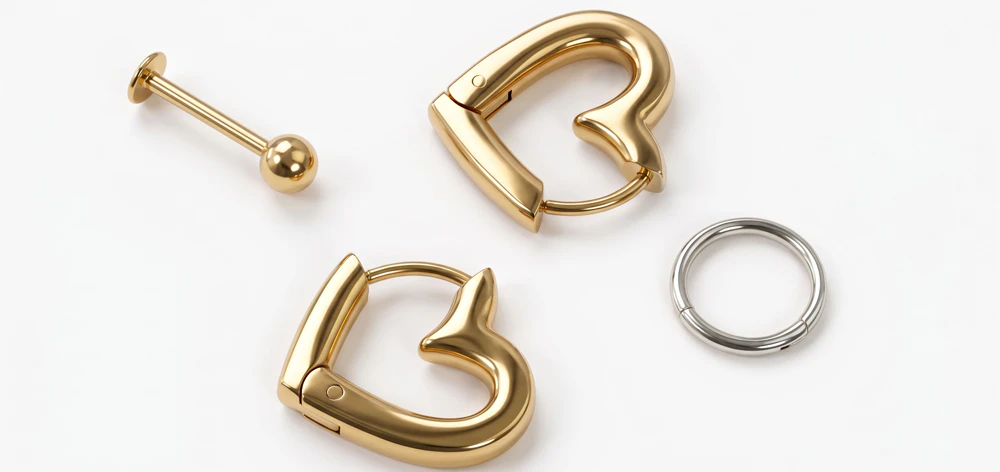
Understanding this helps explain why material names alone don't tell the whole story. Quality, manufacturing, and finishing all contribute to how jewellery feels once you wear it.
Choosing the right material for where you are now
When deciding between titanium and surgical steel, timing often matters more than preference.
A new piercing is still healing. The body is repairing tissue, adjusting to movement, and responding to a foreign object. During this stage, materials that are lightweight, stable, and unlikely to trigger sensitivity can help create a more predictable healing environment. This is why many professional piercers recommend starting with implant-grade titanium.
Once a piercing has fully healed, priorities often change. The tissue has stabilized, sensitivity usually decreases, and durability becomes more important. At this stage, surgical steel naturally becomes a reliable everyday option for many people.
Skin sensitivity also exists on a spectrum. Some people comfortably switch between titanium and surgical steel throughout their lives, while others prefer to wear titanium long-term. Paying attention to how your body responds is usually the most reliable guide.
Healing times and individual reactions vary from person to person. If you're ever unsure which material is right for you, speaking to an experienced piercer can help you make a more confident decision.
What helps piercings stay comfortable over time
- Choosing the right material is an important first step, but it's only one part of the picture. Good aftercare, properly fitted jewellery, and changing your jewellery at the right stage of healing all play a role in long-term comfort.
- Titanium isn't about buying the most expensive option. It's about choosing a material that is highly stable and predictable while your piercing is healing or if your skin is particularly sensitive.
- Surgical steel isn't a compromise, either. Worn at the right stage, it remains one of the most trusted materials in body jewellery and continues to be a comfortable choice for everyday wear.
- If a piercing stays irritated for longer than expected, it's worth paying attention. Sometimes switching to a different material is all that's needed to improve comfort. If symptoms continue, an experienced piercer or dermatologist can help identify the cause.
Choosing what works for you
The conversation around titanium vs. surgical steel isn't about choosing a winner. Both are trusted materials with their own strengths, and both have an important place in piercing jewellery.
Titanium is often the easiest place to start, especially during healing or for people with very sensitive skin. Surgical steel comes into its own once a piercing has settled, offering strength, durability, and excellent value for everyday wear.
The biggest takeaway is this: materials don't irritate on their own. It depends on how well they match your skin, your lifestyle, and the stage of your piercing.
Understanding how these materials behave takes much of the guesswork out of choosing jewellery. Instead of asking which material is better, the more useful question is which material is better for your piercing today.
At Bodymod, we believe choosing jewellery should feel just as straightforward as wearing it. By understanding how different materials behave, you can make more confident choices that support comfortable healing, everyday wear, and your own style.
by2
Posted in: